
RECA and EEOICPA are separate programs that provide different types of support. RECA offers a one-time financial payment, while EEOICPA, for those who independently qualify, may provide ongoing medical benefits such as in-home care, prescriptions, and supportive services. Together, they can help support both financial stability and long-term health needs.
RECA Benefits for Wyoming’s Uranium Miners
The Radiation Exposure Compensation Act (RECA) was created to recognize and compensate American workers who were exposed to radiation while mining, milling, and transporting uranium ore for the nation’s nuclear weapons program. If you worked Wyoming’s uranium fields, you may be entitled to fully covered in-home healthcare at no cost to you.
Recent changes to RECA have expanded eligibility, opening the door for many workers and families who may not have qualified before. If you've never applied or were previously told you didn't qualify, it may be worth taking another look. Many Wyoming workers who just outside the program’s reach are now covered. This window is open through the end of 2027.
Recent changes to RECA have expanded eligibility, opening the door for many workers and families who may not have qualified before. If you've never applied or were previously told you didn't qualify, it may be worth taking another look. Many Wyoming workers who just outside the program’s reach are now covered. This window is open through the end of 2027.
Helping Wyoming's Uranium Workers Navigate RECA Since 2011
For more than a decade, Four Corners Healthcare has helped Wyoming uranium workers and their families understand their benefits, navigate complex programs, and access the care and support they have earned. We know these communities because they are our communities.
Who May Qualify for RECA?
RECA was created to recognize the men and women who helped power America's nuclear program through uranium mining, milling, and transportation. In Wyoming, you may qualify if you are:
- A uranium miner who worked at covered Wyoming mine sites.
- A uranium mill worker employed at a covered milling facility.
- An ore transporter who hauled uranium from mines or mills.
- A worker employed in the uranium industry during covered years.
- The surviving spouse, child, or eligible family member of a qualifying worker.
Previously Told You Didn't Qualify?
Recent changes to RECA expanded eligibility and reopened opportunities for many workers and families. If you were previously denied or never applied, it may be worth taking another look.
Recent changes to RECA expanded eligibility and reopened opportunities for many workers and families. If you were previously denied or never applied, it may be worth taking another look.
What RECA Provides
The Radiation Exposure Compensation Act (RECA) provides a one-time, lump-sum financial payment to eligible individuals who developed certain health conditions after radiation exposure related to their work in the uranium industry.
The Energy Employees Occupational Illness Compensation Program Act (EEOICPA) is a separate federal program that may provide ongoing medical benefits to eligible uranium workers who meet specific employment and illness criteria. While Radiation Exposure Compensation Act (RECA) and EEOICPA have their own requirements, uranium workers who receive a RECA award may also independently qualify for EEOICPA, which can help support access to long-term medical care. When approved, medical benefits may include:
The Energy Employees Occupational Illness Compensation Program Act (EEOICPA) is a separate federal program that may provide ongoing medical benefits to eligible uranium workers who meet specific employment and illness criteria. While Radiation Exposure Compensation Act (RECA) and EEOICPA have their own requirements, uranium workers who receive a RECA award may also independently qualify for EEOICPA, which can help support access to long-term medical care. When approved, medical benefits may include:

Skilled Nursing Care: Licensed nurses deliver guided care aligned to your needs—supporting symptom management, medication oversight, and ongoing health monitoring, up to 24/7 when needed.
Comprehensive Care Coordination: Coordinated services that support your care at home—medical equipment, medication, and respiratory care—everything working seamlessly and nothing falls through the cracks.
Daily Living Support: Compassionate caregivers assist with daily activities such as meal preparation, bathing, mobility, and light household tasks—helping you remain safe, comfortable, and independent at home.
Care Management & Advocacy: Dedicated case management to coordinate care with your medical providers, support required documentation, and help ensure your care remains aligned with your needs over time.
Trusted, purposeful, whole-person care can help you live safely and independently at home, supported by the financial relief and peace of mind available through RECA and EEOICPA.
The RECA Claims Process
Navigating RECA on your own is possible but many Wyoming workers find the documentation requirements and eligibility rules difficult to work through without help. Four Corners Healthcare has advocated for hundreds of miners and their families through this process.
How It Works
-
Step 1: Determine eligibility — work history at a covered site, diagnosis of a covered condition
-
Step 2: File your claim with the Department of Justice RECA Unit
-
Step 3: Receive your White Card from the Department of Labor upon approval
-
Step 4: Contact Four Corners Healthcare — we begin your care assessment immediately
- Step 5: Care begins in your home, fully covered
The RECA window closes in 2027. If you or a family member worked Wyoming’s uranium fields and have not explored your RECA eligibility, now is the time.
Are You Eligible for RECA Benefits
You may qualify if you or a loved one falls into one of these categories:
Uranium Workers
Under the Radiation Exposure Compensation Act (RECA), compensation may be available to individuals who worked in covered uranium-related occupations and later developed a qualifying illness. Eligible work includes uranium mining, milling, core drilling, ore transporting, or remediation at a uranium mine or mill in a covered state between January 1, 1942, and December 31, 1990, with required work duration or documented radiation exposure and a diagnosis of a covered illness. Qualifying uranium workers may receive a one-time, lump-sum payment of $100,000, and eligible survivors may apply if the individual is deceased.
Individuals who receive a RECA award may also independently qualify for additional medical support through the Energy Employees Occupational Illness Compensation Program Act (EEOICPA). While approval is separate and not automatic, eligible uranium workers may receive ongoing medical benefits, including medically necessary in-home care, supportive services, and care coordination to support living independently at home.


Onsite Participants
Under the Radiation Exposure Compensation Act (RECA), compensation may be available to individuals who participated onsite in U.S. atmospheric nuclear weapons tests and later developed covered illness
To qualify, an individual must have been present onsite at or within a government installation during a United States atmospheric nuclear test conducted before January 1, 1963, excluding the wartime detonations at Hiroshima and Nagasaki. The individual must also have later been diagnosed with a covered compensable disease, which includes the same list of illnesses recognized for Downwinders under RECA. Eligible onsite participants may receive a one-time, lump-sum payment of $100,000, reduced by any compensation already received from the Department of Veterans Affairs for the same illness. If the individual is deceased, eligible survivors may apply to receive equal shares of the payment.
Manhattan Project Waste (RECA)
Compensation may be available to individuals who developed certain illnesses after living, working, or attending school in areas contaminated by Manhattan Project radioactive waste. To qualify, an individual must have been physically present for at least two years after January 1, 1949, in a designated affected area in Missouri, Tennessee, Alaska, or Kentucky, and later been diagnosed with a covered illness. Covered illnesses include certain leukemias, multiple myeloma, non-Hodgkin lymphomas, and specific primary cancers such as those of the thyroid, breast, lung, colon, brain, liver, renal system, and others. Compensation varies based on the individual’s status at the time of filing. Living individuals may receive the greater of $50,000 or documented unreimbursed medical expenses related to the covered illness. If the individual is deceased, a $25,000 payment may be provided to a surviving spouse or shared equally among surviving children if no spouse exists.

Downwinders
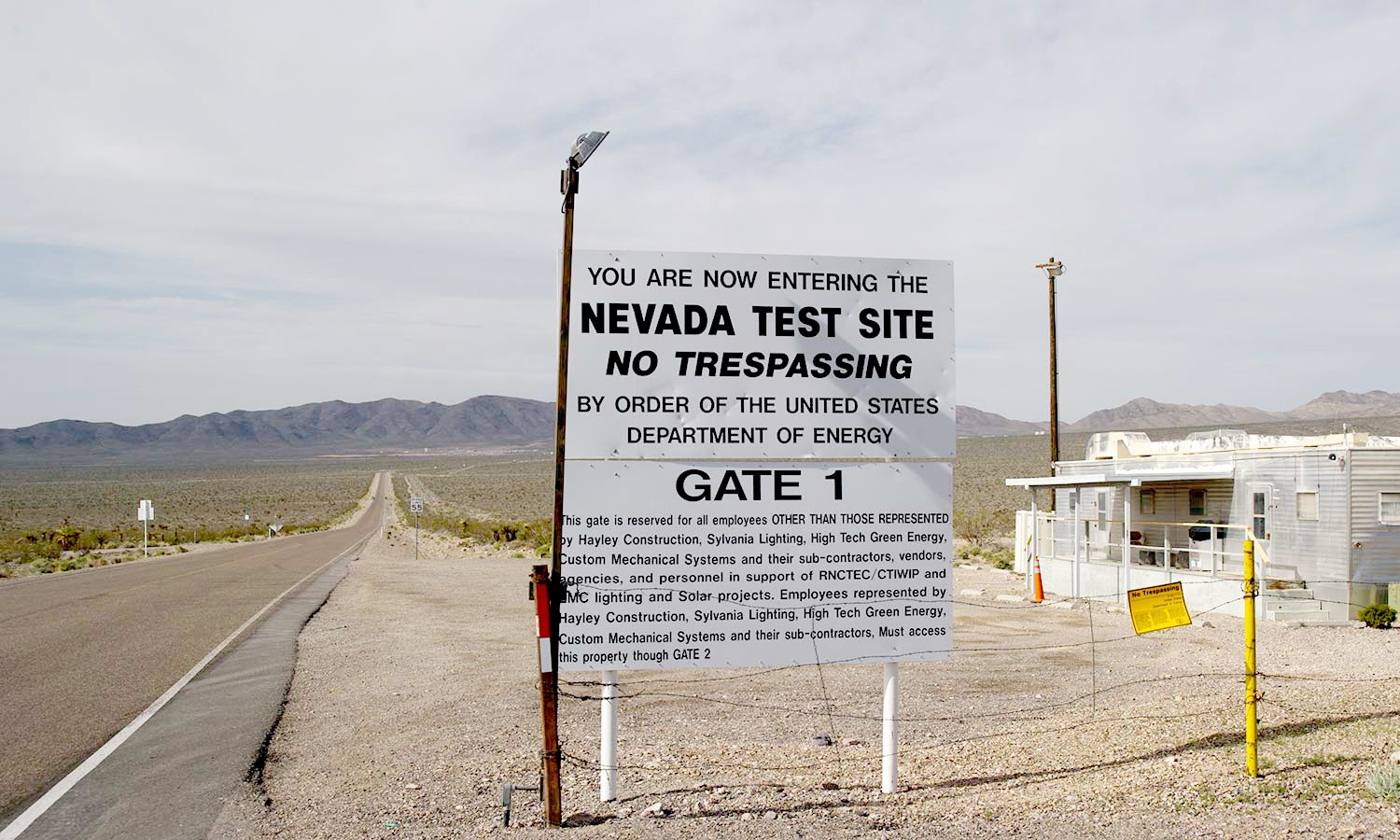
Compensation may be available to individuals who developed certain cancers after presumed exposure to radiation released during atmospheric nuclear weapons testing conducted within the United States. Individuals may qualify if they lived, worked, or attended school in a designated downwind area during periods of U.S. atmospheric nuclear testing and were present in a covered location for the required duration. Covered locations include Idaho, New Mexico, Utah, and designated counties in Arizona and Nevada. Eligibility also requires a diagnosis of a covered illness, which may include certain leukemias, multiple myeloma, non-Hodgkin lymphomas, or specific primary cancers. Eligible downwinders may receive a one-time, lump-sum payment of $100,000, and if the individual is deceased, eligible survivors may apply to receive equal shares of the payment under program guidelines.
Where Did You Have to Work to Qualify?
Eligibility is determined based on the location and timing of potential exposure, as defined by program guidelines.

Uranium Worker Covered States
You may qualify if you worked as a uranium miner, miller, ore transporter, or core driller for at least one year between January 1, 1942, and December 31, 1990, in a covered state. Eligible states include Arizona, Colorado, Idaho, New Mexico, North Dakota, Oregon, South Dakota, Texas, Utah, Washington, and Wyoming.
What Health Conditions Are Covered by RECA?
Covered health conditions vary by worker category under RECA and are defined by federal program guidelines.
Uranium Worker Covered Conditions
Under the Radiation Exposure Compensation Act (RECA), uranium workers may qualify if they were later diagnosed with a covered compensable disease related to their work. Covered conditions include lung cancer, pulmonary fibrosis or other fibrotic lung disease, silicosis, pneumoconiosis, cor pulmonale related to lung fibrosis, renal cancer, and other chronic renal diseases, including nephritis and kidney tubular tissue injury. These conditions are recognized as potentially linked to occupational exposure experienced during uranium mining, milling, ore transporting, core drilling, or related remediation work.

FAQs: RECA & EEOICPA
How do RECA and EEOICPA work together to support care?
Does RECA include in-home care?
No. RECA does not provide in-home care directly. However, individuals who receive a RECA award may also independently apply for medical benefits under EEOICPA, a separate federal program. If approved, EEOICPA may provide access to ongoing medical benefits, including medically necessary in-home care, prescriptions, and supportive services through a Department of Labor White Card.
What support is available if I need help getting started?
If you need help, you don’t have to navigate this alone. While we do not submit claims on your behalf, our team is here to listen, answer questions, and provide clear, educational guidance about the process and available resources so you can move forward with confidence and peace of mind.
Unwavering Compassion. Whole-Person Care. Welcome to the Family.
Navigating RECA can be confusing, but you don’t have to do it alone. At Four Corners Healthcare, we’ve helped thousands of former uranium and energy workers and their families access their rightful whole-person care and compensation.
Because after all you’ve done, you deserve dignity, respect, and purposeful care right where you belong—at home.